Kyoto’s Whispering Joinery: The Woodworkers of Uji
Hand-planed Hinoki cypress curls resting in a 140-year-old workshop.
Table of Contents
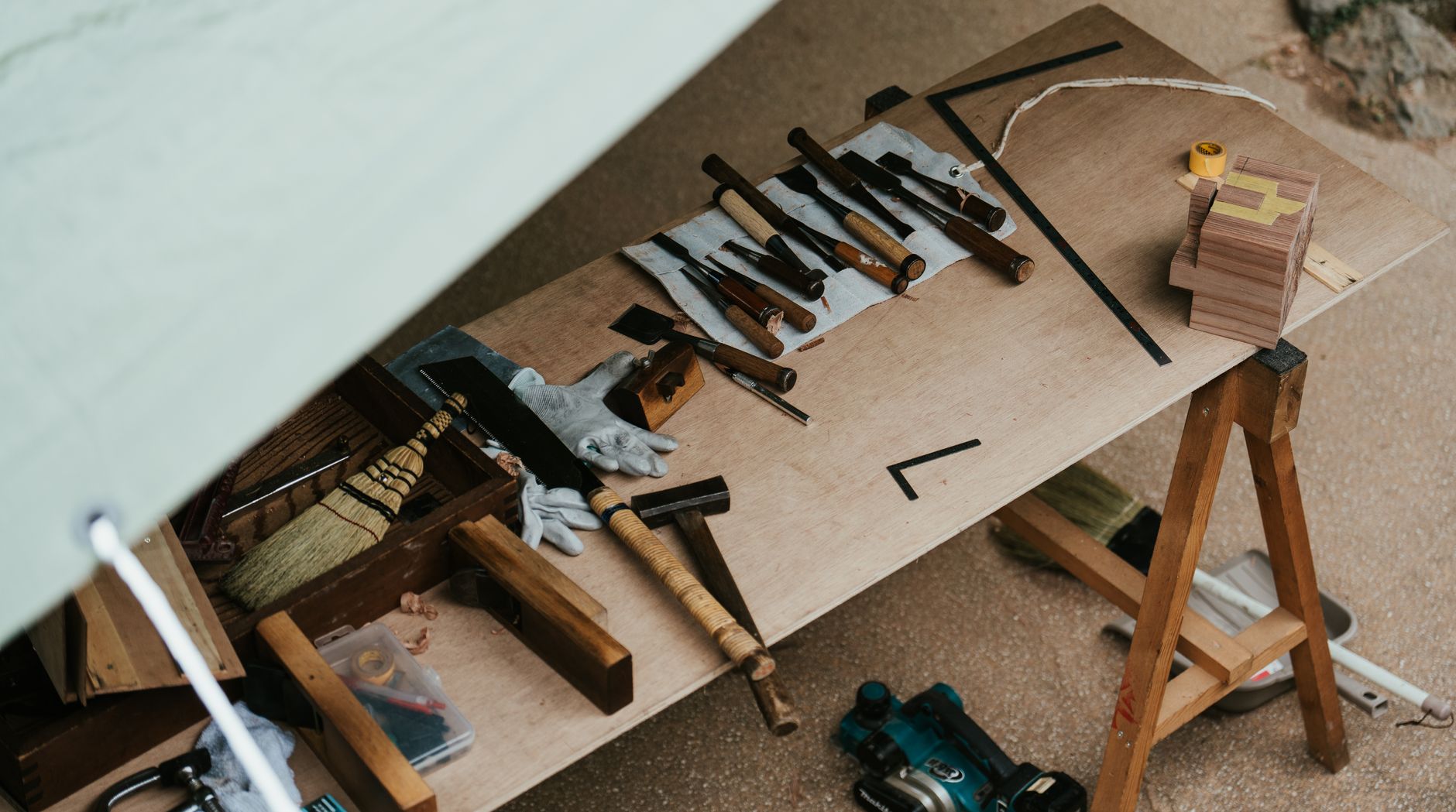
The workshop of master joiner Satoshi Morita sits behind a modest bamboo fence on the southern rim of Kyoto Prefecture. There are no power drills buzzing, no pneumatic nail guns firing. The only sound is the rhythmic, whisper-thin sigh of a hand plane (kanna) shaving a ribbon of Japanese cypress so translucent you can read poetry through it.
1. The Scent of Seasoned Hinoki
Hinoki cypress carries a scent that is immediately grounding: citrus resin mingled with clean mountain earth. In Morita’s yard, timber stacks cure naturally for anywhere from five to twenty years, adapting to the humidity and seasonal shifts of the Kansai plain before ever meeting a chisel.
"Wood is not an inert material to be dominated. It expands in summer rain and contracts in winter frost. Our job is to give it room to breathe for another five centuries."
2. Kigumi: The Geometry of Coexistence
The ancient discipline of kigumi joins timber components without a single metallic fastener. Using intricate mortise-and-tenon variations such as the kanawa-tsugi joint, artisans lock load-bearing beams together with wooden wedges. During earthquakes, these joints flex slightly, dispersing seismic energy where rigid steel welds would snap.
Watching two hand-carved joints slide together with hydraulic precision is a masterclass in human dedication. There is zero tolerance for haste; a difference of half a millimeter is regarded as an invitation to begin anew.
3. What Joinery Teaches the Modern Pilgrim
For visitors immersed in the sensory overload of contemporary digital culture, stepping into Kyoto’s timber heritage offers a potent antidote. It reminds us that things of genuine resilience cannot be mass-produced overnight.
When walking through Daitoku-ji or the quiet sub-temples of Uji, pause to touch the unpainted pillars. You are feeling wood cut when Tokugawa shoguns ruled Japan, still warm with the quiet intent of the carpenter who shaped it.